Moisture Retaining Soil Additives That Will Save You Time And Money
Introduction
Water is essential for plant growth, but not all soils are created equal. Some soils are sandy and drain quickly, while others are clayey and hold water too tightly. If you have a soil that dries out easily, you may need to add a moisture retaining soil additive.
Moisture retaining soil additives help to improve the water holding capacity of your soil. This means that your plants will have access to water for longer, even during hot, dry weather. As a result, you'll need to water your plants less often, which can save you time and money.
There are a variety of moisture retaining soil additives available, each with its own advantages and disadvantages. In this blog post, we'll discuss some of the most popular options and help you choose the right one for your needs.
Types of Moisture Retaining Soil Additives
The most common type of moisture retaining soil additive is organic matter. Organic matter, such as compost, manure, and peat moss, helps to improve the structure of your soil and make it more porous. This allows water to enter and drain more slowly, which helps to keep your plants' roots moist.
Another type of moisture retaining soil additive is synthetic polymers. These polymers are made from materials such as cross-linked polyacrylates and bentonite clay. They can absorb and hold large amounts of water, which they then release slowly to plants. Synthetic polymers are often used in potting mixes and garden soil amendments.
How to Add Moisture Retaining Soil Additives
The best time to add moisture retaining soil additives is when you are preparing your soil for planting. You can add them to the top 6-12 inches of soil, or mix them in thoroughly. The amount of additive you need will depend on the type of soil you have and the plants you are growing.
For sandy soils, you may need to add a relatively large amount of moisture retaining soil additive. For clay soils, you may only need to add a small amount. In general, it is better to err on the side of caution and add too much additive than too little.
Benefits of Using Moisture Retaining Soil Additives
There are many benefits to using moisture retaining soil additives. Here are just a few:
- Save time and money on watering.
- Improve plant growth and health.
- Reduce the risk of plant stress and wilting.
- Improve soil drainage and aeration.
- Increase the amount of organic matter in your soil.
- Improve the overall health of your soil.
Conclusion
Moisture retaining soil additives are a great way to improve the water holding capacity of your soil and save you time and money on watering. There are a variety of different additives available, so you can choose the one that is right for your needs. If you are looking for a way to improve the health of your soil and the growth of your plants, then moisture retaining soil additives are a great option.
Are you looking for ways to improve your soil's moisture retention? There are a number of different soil additives that can help, each with its own unique benefits. For more information about moisture retaining soil additives, visit Home Gardening.
FAQ of moisture retaining soil additives
- What are the most effective moisture retaining soil additives?
There are a number of different soil additives that can help to retain moisture, but some of the most effective include:
* Peat moss: Peat moss is a naturally occurring material that is very good at holding water. It can be added to soil to help improve drainage and aeration, as well as to retain moisture.
* Compost: Compost is another organic material that can help to retain moisture in soil. It is made from decomposed plant and animal matter, and it contains nutrients that can help plants to grow.
* Vermiculite: Vermiculite is a mineral that has been expanded to create small, lightweight granules. It is very porous and can hold a lot of water, making it a good choice for soil additives.
* Perlite: Perlite is another mineral that has been expanded to create small, lightweight granules. It is not as porous as vermiculite, but it can still help to retain moisture in soil.
* Coconut coir: Coconut coir is the fibrous husk of coconuts. It is a natural, sustainable material that can be used as a soil additive. It is very absorbent and can help to retain moisture in soil.
- How much moisture retaining soil additive should I add to my soil?
The amount of moisture retaining soil additive that you need to add to your soil will depend on the type of soil you have and the plants you are growing. In general, you will want to add about 1-2 inches of moisture retaining soil additive to the top 6-8 inches of soil.
- When should I add moisture retaining soil additive to my soil?
You can add moisture retaining soil additive to your soil at any time of year, but it is best to do it before you plant your seeds or seedlings. This will give the soil time to absorb the moisture retaining additive and will help to ensure that your plants have a good start.
- How do I know if I need to add moisture retaining soil additive to my soil?
If your soil is sandy or loamy, it is likely that you will need to add moisture retaining soil additive. Sandy soils are very porous and drain quickly, while loamy soils can be compacted and do not hold moisture well. If your plants are wilting or showing signs of drought stress, even after you have watered them regularly, you may need to add moisture retaining soil additive.
- What are the benefits of using moisture retaining soil additives?
There are a number of benefits to using moisture retaining soil additives, including:
* Helping to prevent plant wilting and drought stress: Moisture retaining soil additives can help to keep the soil moist, which can help to prevent plant wilting and drought stress.
* Improving plant growth: Moisture retaining soil additives can help to improve plant growth by providing plants with the moisture they need to thrive.
* Reducing the need for watering: Moisture retaining soil additives can help to reduce the need for watering, which can save you time and money.
* Enhancing soil quality: Moisture retaining soil additives can help to enhance soil quality by improving drainage, aeration, and nutrient retention.
Image of moisture retaining soil additives
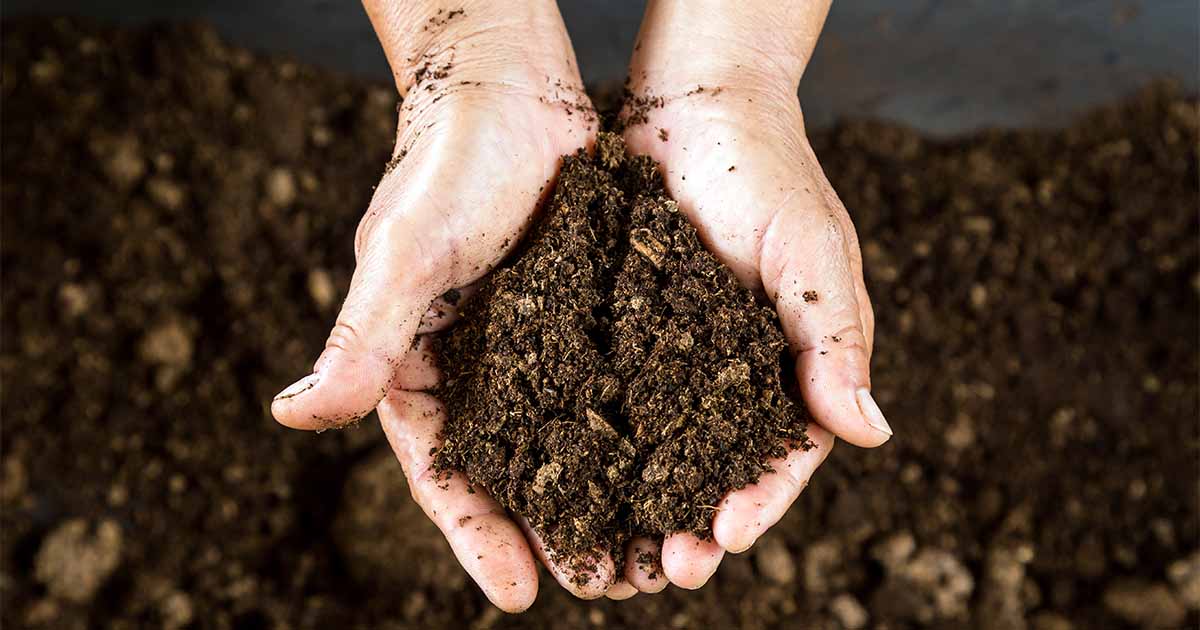
- Peat moss: Peat moss is a type of organic matter that is made up of partially decomposed sphagnum moss. It is a very effective moisture retainer and can help to improve the drainage and aeration of sandy soils.
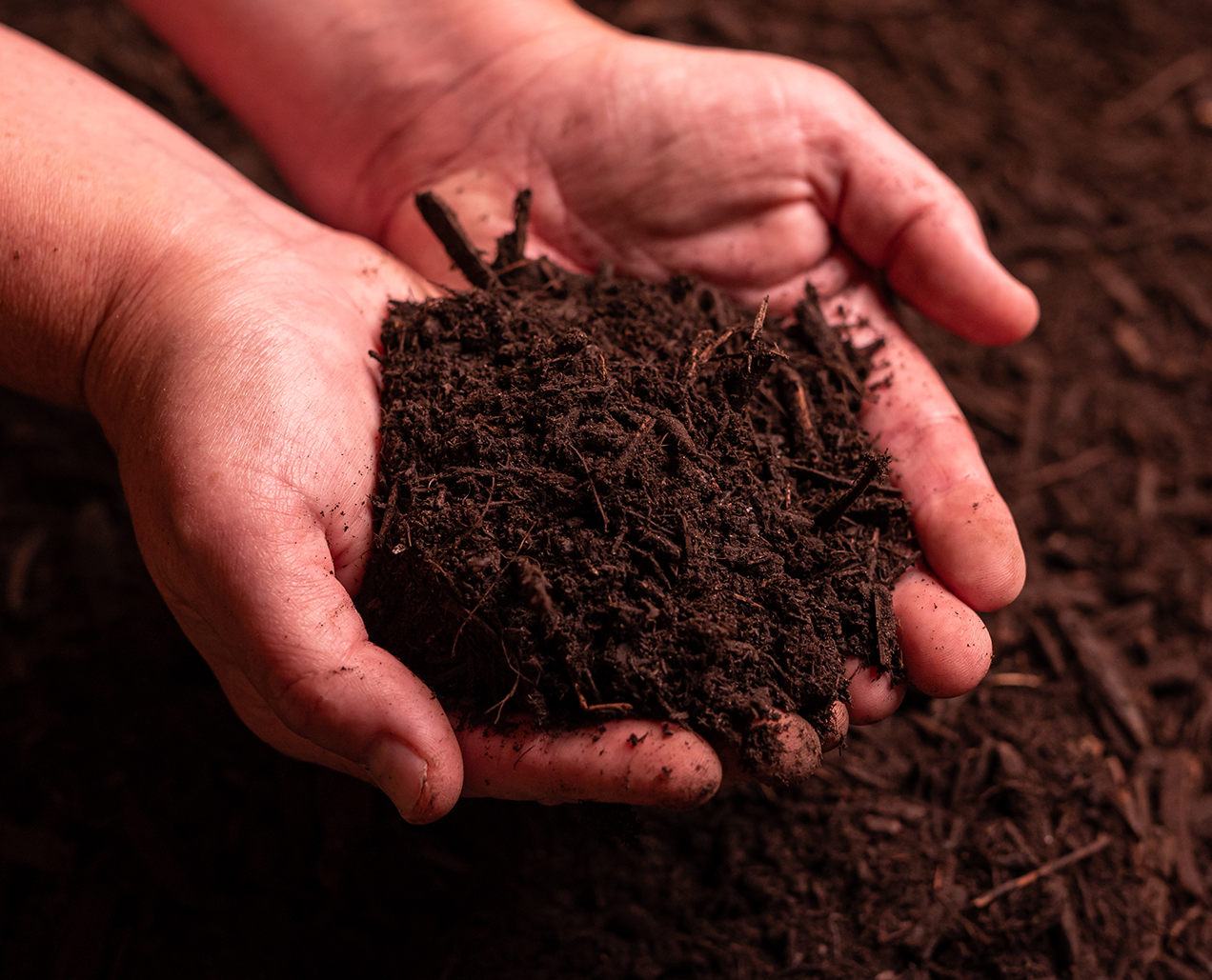
- Wood chips: Wood chips are another type of organic matter that can be used to retain moisture in soil. They are especially beneficial for clay soils, as they can help to improve drainage and aeration.
- Compost: Compost is a mixture of organic materials, such as food scraps, yard waste, and manure. It is a great way to improve the fertility of soil and also helps to retain moisture.

- Leaf mold: Leaf mold is a type of compost that is made from leaves that have been decomposed. It is a very fine material that is very effective at retaining moisture.

- Vermiculite: Vermiculite is a type of mineral that has been expanded to create a lightweight, airy material. It is a good choice for retaining moisture in sandy soils.

- Perlite: Perlite is another type of mineral that has been expanded to create a lightweight, airy material. It is similar to vermiculite, but it is less expensive.
- Sand: Sand is not typically thought of as a moisture retainer, but it can actually help to improve the drainage of clay soils and prevent waterlogging.
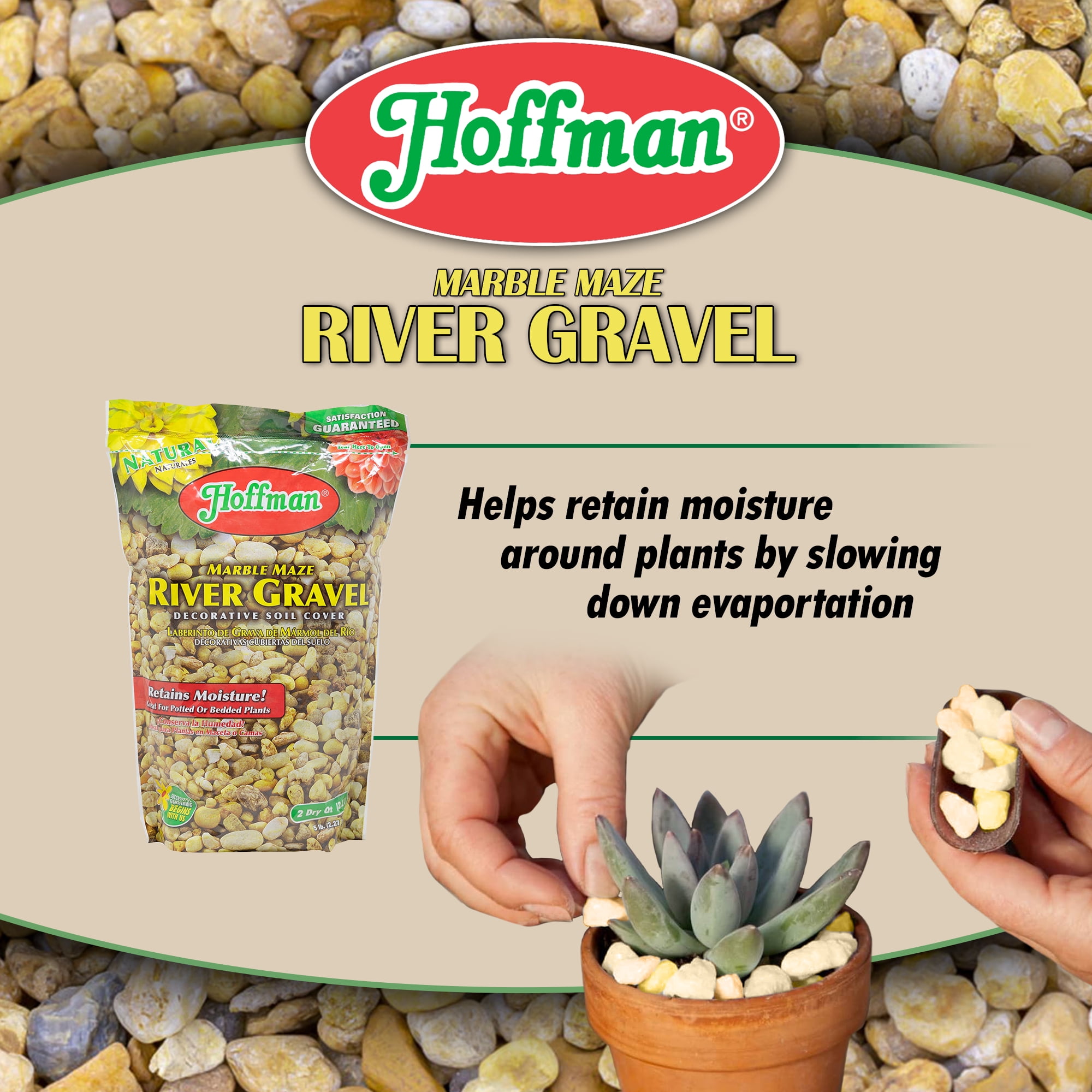
- Gravel: Gravel is similar to sand, but it is larger in size. It can also be used to improve the drainage of clay soils and prevent waterlogging.
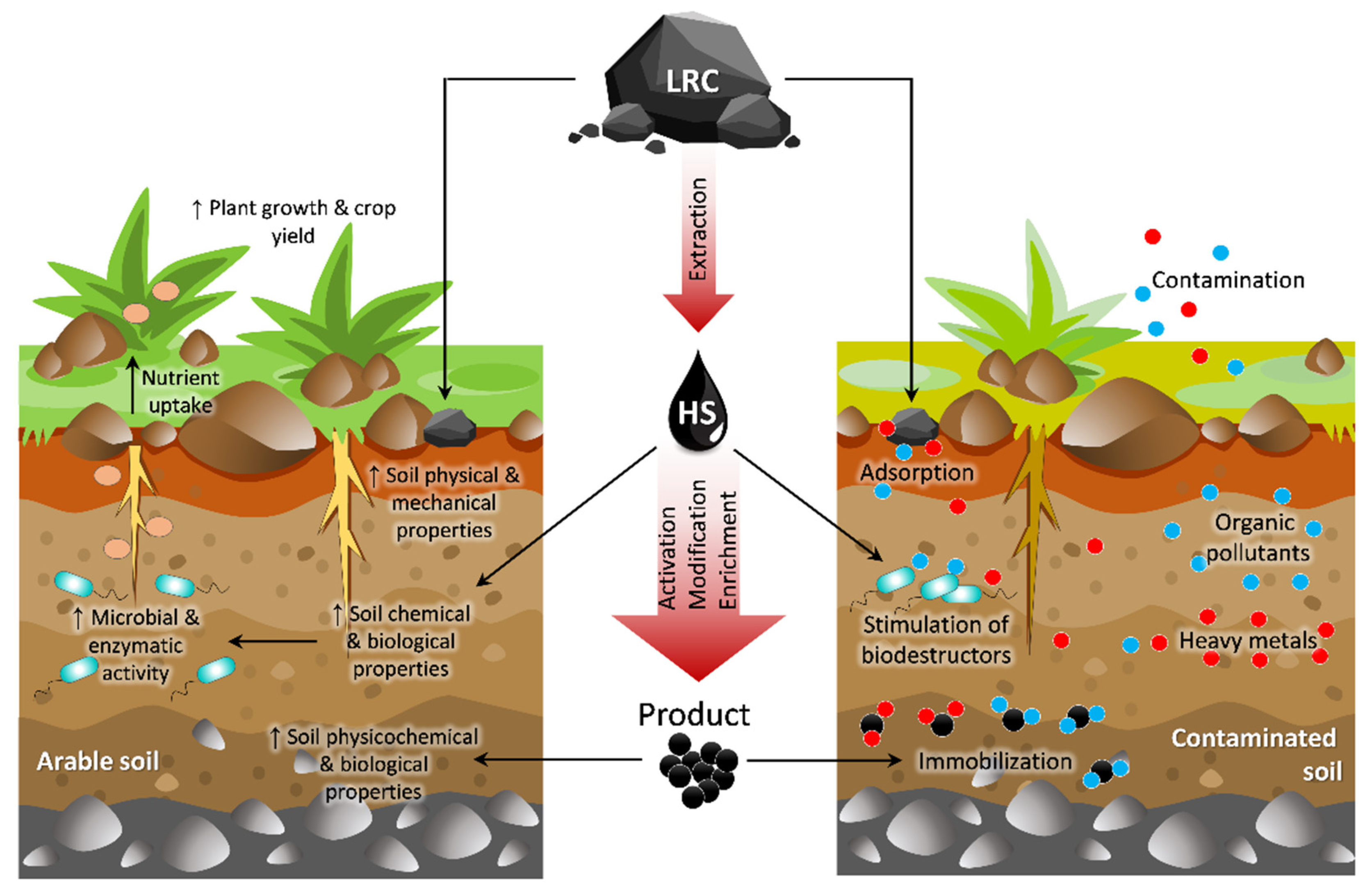
- Ash: Ash from wood or other organic materials can be used to retain moisture in soil. It is a good source of potassium and other nutrients, but it should be used sparingly, as it can raise the pH of soil.


Post a Comment for " Moisture Retaining Soil Additives That Will Save You Time And Money"