Best Companion Plants For Peppers
Best Companion Plants for Peppers
Peppers are a popular vegetable to grow in the garden, but they can be susceptible to pests and diseases. Companion planting is a great way to help protect your pepper plants and improve their overall health.
Companion planting is the practice of planting certain plants together in order to benefit each other. Some plants attract beneficial insects that help to control pests, while others release chemicals that deter harmful insects. Some plants also help to improve the soil quality or water retention, which can benefit all of the plants in your garden.
There are many different companion plants that can be beneficial for peppers. Some of the best include:
- Basil: Basil is a fragrant herb that attracts beneficial insects, such as ladybugs and lacewings, which help to control pests like aphids and whiteflies. Basil also helps to improve the flavor of peppers.
- Cucumbers: Cucumbers can help to suppress weeds and improve the soil moisture around pepper plants. They can also help to protect pepper plants from pests like spider mites.

- Carrots: Carrots help to repel nematodes, which are microscopic worms that can damage pepper roots. They also help to improve the soil quality, which can benefit all of the plants in your garden.

- Onions: Onions and other members of the allium family, such as garlic and chives, release chemicals that deter pests like aphids, whiteflies, and tomato hornworms. They also help to improve the flavor of peppers.

- Marigolds: Marigolds are not only beautiful flowers, but they also help to repel pests like nematodes, aphids, and whiteflies. They also help to improve the soil quality and drainage.

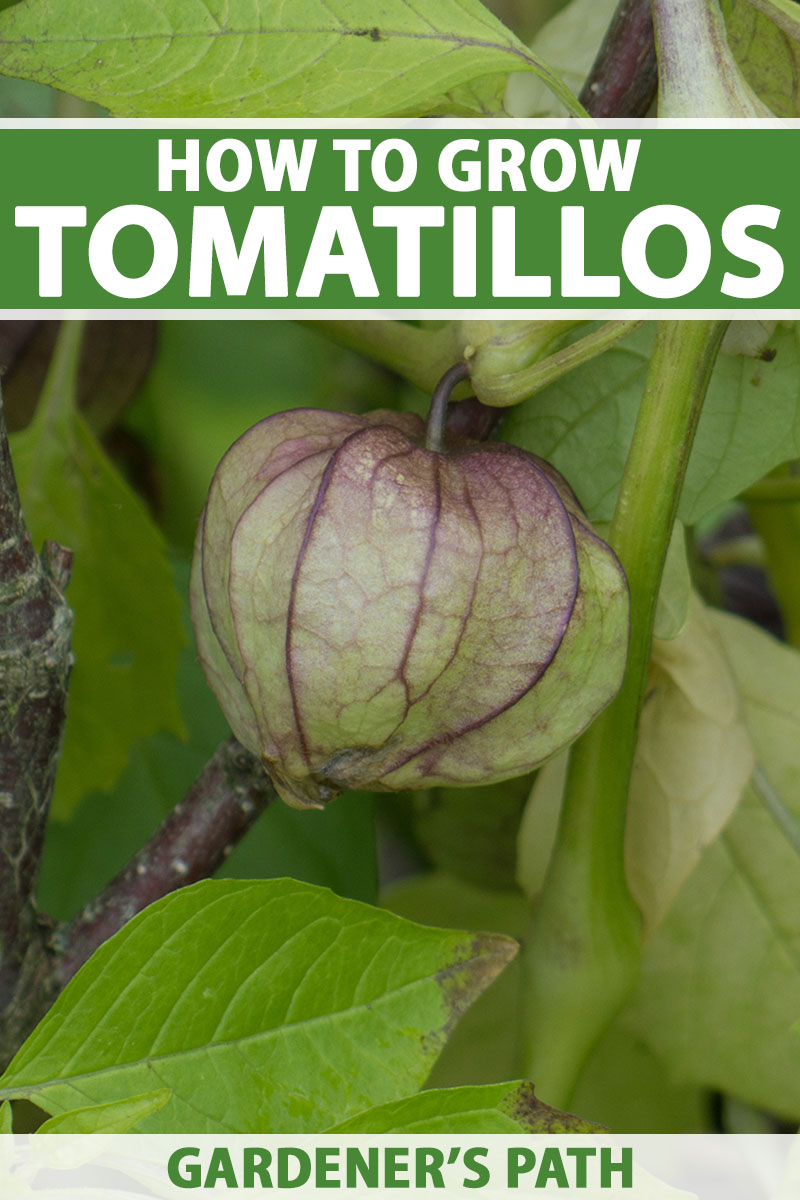
- Tomatillos: Tomatillos are closely related to peppers, so they have similar growing requirements and can benefit from being planted together. Tomatillos can also help to attract beneficial insects that control pests.
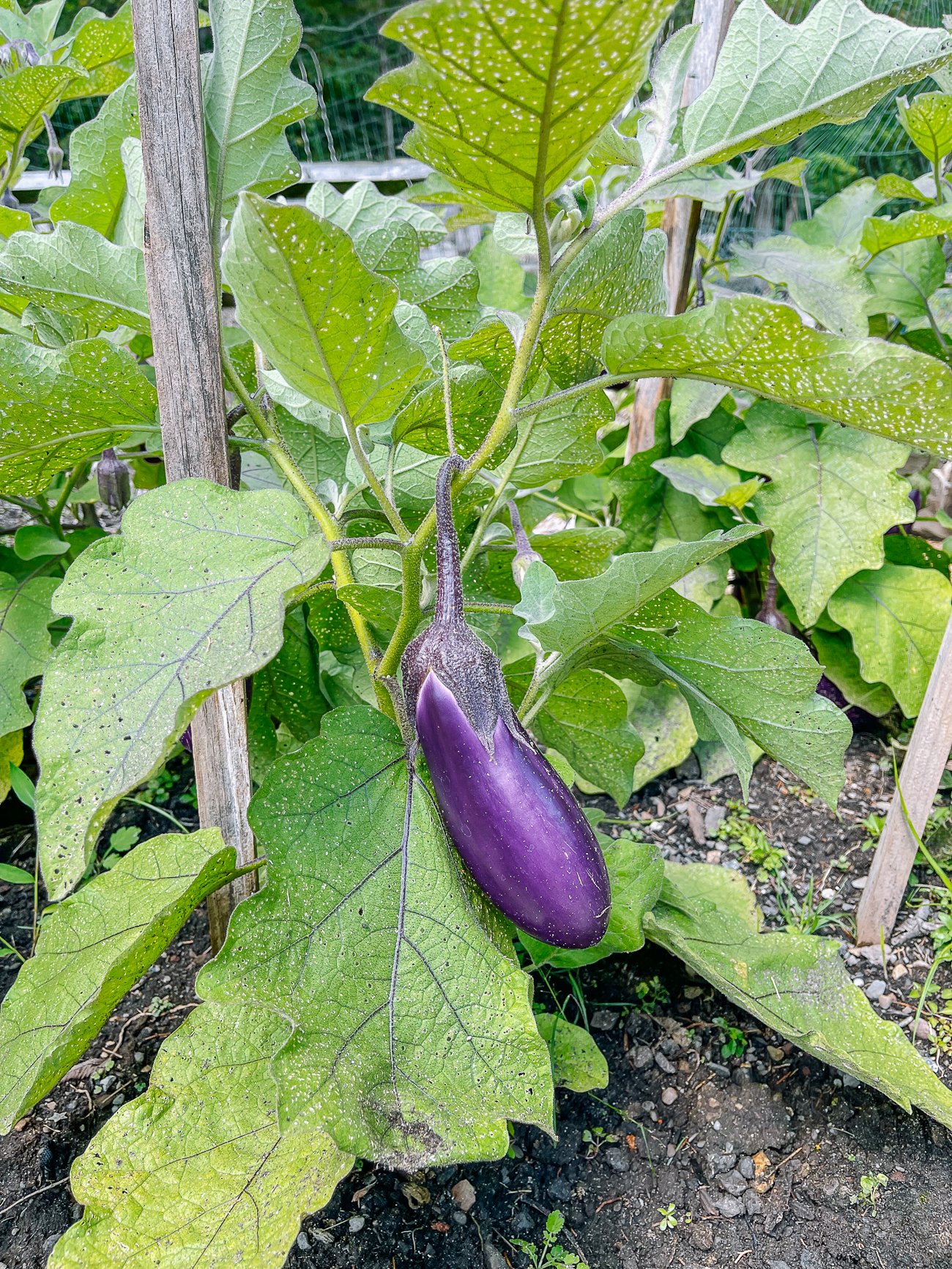
- Eggplants: Eggplants are another member of the nightshade family, so they have similar growing requirements and can benefit from being planted together. Eggplants can also help to attract beneficial insects that control pests.
When choosing companion plants for peppers, it is important to consider the size and growth habit of the plants. For example, tall plants like tomatoes and corn should not be planted too close to short plants like peppers, as they may shade the peppers and prevent them from getting enough sunlight.
It is also important to consider the climate in your area. Some companion plants, such as marigolds, are more cold-tolerant than others, so you may need to choose different companion plants if you live in a cold climate.
With a little planning, you can use companion planting to help protect your pepper plants from pests and diseases, improve their overall health, and boost their yields.
Are you growing peppers in your garden this year? If so, you may want to consider planting some companion plants to help them thrive. Companion planting is the practice of planting certain plants together that benefit each other in some way. For peppers, some good companion plants include:
- Basil: Basil is a natural insect repellent that can help to keep pests away from your peppers. It also attracts pollinators, which can help to increase your pepper yield. Garden Wiki
- Carrots: Carrots help to improve the soil drainage around pepper plants, which can help to prevent root rot. They also help to suppress weeds.
- Cucumbers: Cucumbers help to shade the soil around pepper plants, which can help to keep the soil cool and moist. They also help to attract pollinators.
- Onions: Onions help to repel nematodes, which are pests that can damage pepper plants. They also help to improve the flavor of peppers.
- Squash: Squash helps to suppress weeds and provide shade for pepper plants. They also help to attract pollinators.
If you're looking for more information about companion planting for peppers, Garden Wiki is a great resource. The website has a comprehensive list of companion plants for peppers, as well as information on how to plant and care for them.
FAQ of companion to peppers
Q: What are some good companion plants for peppers?
A: Some good companion plants for peppers include:
- Herbs: Herbs, especially oregano, dill, cilantro, chives, and marjoram, are good companion plants because they grow close to the ground, so they won't compete with peppers for space. They also help to repel pests and attract beneficial insects.
- Marigolds: Marigolds are another good companion plant for peppers. They help to repel nematodes, which are soil-borne pests that can damage pepper plants.
- Lettuce: Lettuce is a good companion plant for peppers because it helps to suppress weeds. It also doesn't require a lot of space, so it can be planted in between pepper plants.
- Beans: Beans are a good nitrogen-fixing plant, which means they can help to improve the soil quality for pepper plants. They also don't require a lot of water, so they can be planted in the same area as pepper plants without competing for resources.
- Cabbage: Cabbage is a good companion plant for peppers because it helps to repel cabbage moths. These moths are a common pest of cabbage plants, but they are less likely to bother cabbage plants that are planted near peppers.
Q: What are some plants that should not be planted near peppers?
A: Some plants that should not be planted near peppers include:
- Tomatoes: Tomatoes and peppers are both members of the nightshade family, and they can compete for nutrients and water. They can also cross-pollinate, which can lead to problems with the flavor and quality of the peppers.
- Potatoes: Potatoes and peppers are both susceptible to the same diseases, so planting them near each other can increase the risk of disease spread.
- Cucumbers: Cucumbers and peppers can compete for space and sunlight. They can also attract the same pests, such as cucumber beetles.
- Melons: Melons and peppers can compete for space and sunlight. They can also attract the same pests, such as squash bugs.
- Eggplants: Eggplants and peppers are both susceptible to the same diseases, so planting them near each other can increase the risk of disease spread.
Q: What are the benefits of planting companion plants with peppers?
A: There are several benefits to planting companion plants with peppers, including:
- Reduced pest and disease problems: Some companion plants, such as marigolds and nasturtiums, help to repel pests and attract beneficial insects. This can help to reduce the need for pesticides and herbicides.
- Improved soil quality: Some companion plants, such as beans and peas, are nitrogen-fixing plants. This means they can help to improve the soil quality for pepper plants by adding nitrogen to the soil.
- Increased yields: Some companion plants, such as lettuce and spinach, can help to suppress weeds. This can free up resources for pepper plants, which can lead to increased yields.
- Enhanced flavor: Some companion plants, such as basil and oregano, can help to enhance the flavor of peppers.
Q: How far apart should companion plants be planted from peppers?
The distance between companion plants and peppers will vary depending on the size of the plants. In general, companion plants should be planted at least 12 inches away from peppers. This will give them enough space to grow and thrive without competing with each other for resources.
Q: What are some tips for planting companion plants with peppers?
Here are some tips for planting companion plants with peppers:
- Do your research. Not all companion plants are compatible with peppers. Before you plant any companion plants, do some research to make sure they are a good match for your peppers.
- Plant companion plants at the same time as your peppers. This will give them a chance to establish themselves before the peppers start to grow.
- Water companion plants regularly. Companion plants need just as much water as peppers, so make sure to water them regularly, especially during hot, dry weather.
- Fertilize companion plants regularly. Companion plants can benefit from fertilizer just like peppers. Use a balanced fertilizer and apply it according to the package directions.
- Monitor your plants closely. Keep an eye on your plants for signs of pests or diseases. If you see any problems, take steps to correct them immediately.
Image of companion to peppers
5 different images of "companion to peppers" from Pinterest:
- Image 1: A bed of tomatoes and peppers. Tomatoes and peppers are both warm-season crops that thrive in full sun. They also have similar nutrient requirements, so they can be planted together in the same bed.
- Image 2: A row of carrots and peppers. Carrots and peppers are both root vegetables that can be planted together. They have different pest and disease problems, so they can help to protect each other.

- Image 3: A pot of basil and peppers. Basil is a herb that repels many common pests, making it a good companion plant for peppers. It also adds flavor to peppers when they are cooked.
- Image 4: A bed of marigolds and peppers. Marigolds are another herb that repels pests. They also attract beneficial insects, which can help to control pests in the pepper bed.

- Image 5: A row of nasturtiums and peppers. Nasturtiums are a flowering plant that is not only attractive, but it also helps to deter pests. They can also be used as a ground cover, which can help to keep the soil moist around the peppers.
Post a Comment for " Best Companion Plants For Peppers"